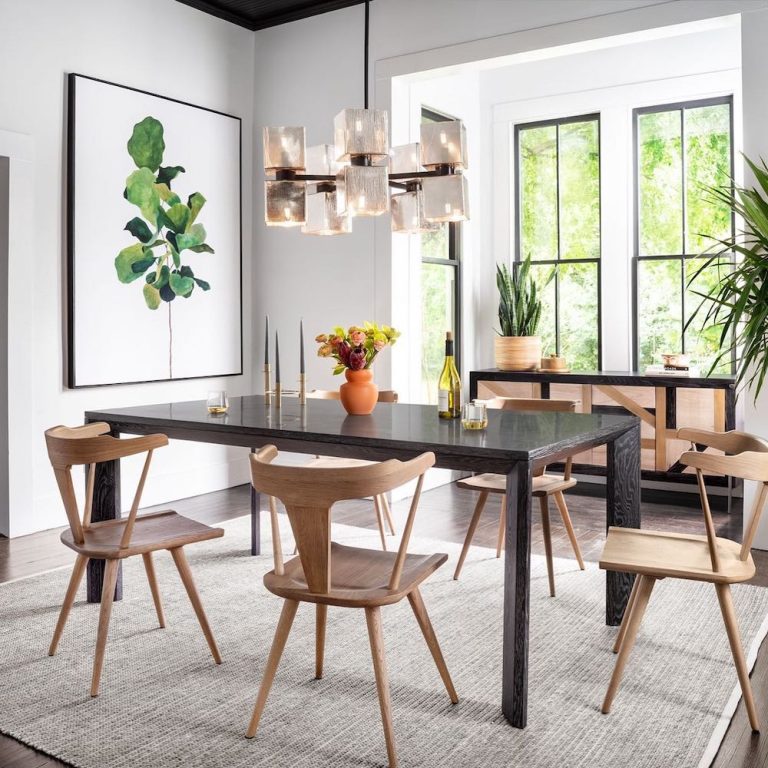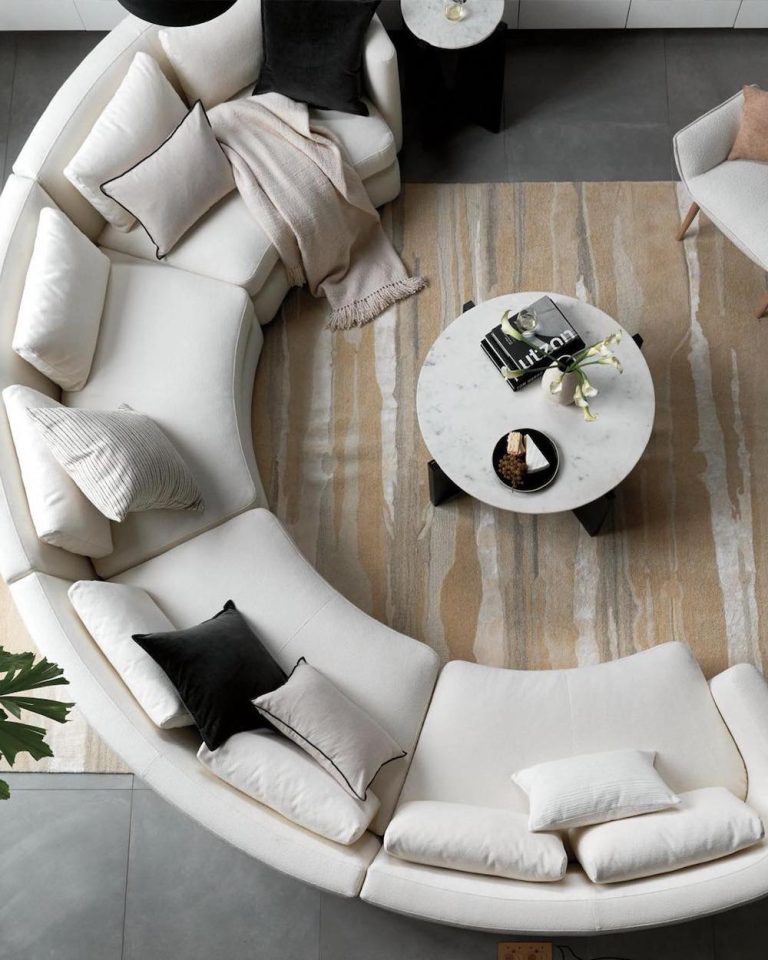
How to Get the Japandi Interior Design Style for Minimalist Serenity at Home
Japandi style transforms your space into a minimalist and elegant look. The Japandi word combines “Japanese” and “Scandi”—Scandi meaning Scandinavian.
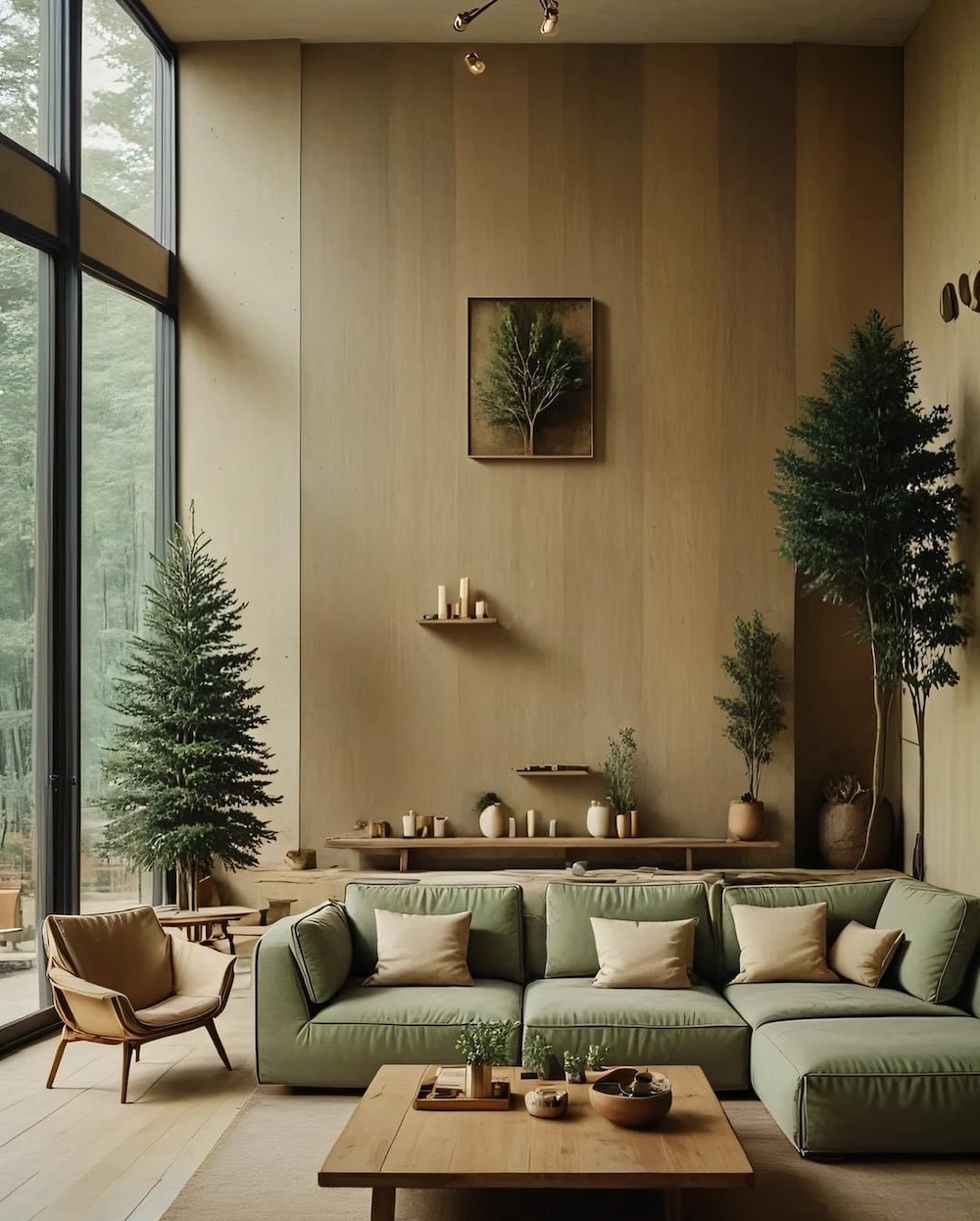
Japandi interior design draws inspiration from simplicity, minimalism, and Zen aesthetics. Scandinavian design primarily centers on clean lines, natural materials, and cozy elements. Japandi origins date back to the 19th century when Japan opened its borders after 200 years of closure. After the opening of Japanese borders, Danish designers ventured into Japan. Danish designers discovered ceramics, architecture, and craftsmanship of the oriental aesthetics. These Japanese elements were incorporated into their Scandinavian design styles. Thus, combining these two distinct design styles formed the Japandi design style.
Key Characteristics of Japandi Style
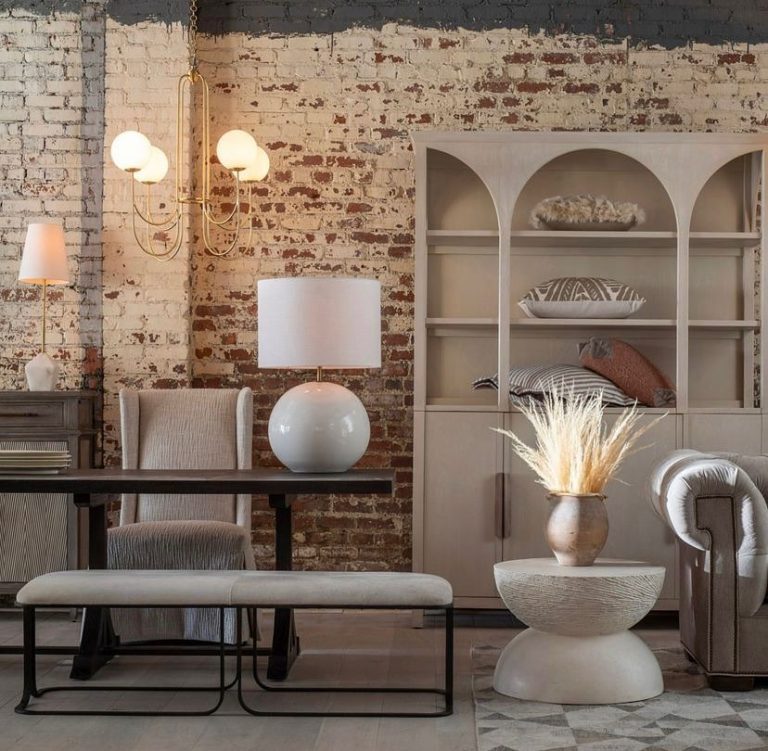
There are several distinct characteristics of the Japandi style, as follows. The first characteristic is an uncluttered and functional space. This is seen in Scandinavian design as well. Second, natural materials such as wood, bamboo, stone, and paper are used. These materials add warmth and a touch of nature to the space. Third, a neutral color palette with mainly earthy tones of whites, greys, browns, and muted pastels. The fourth characteristic is using intentional decor pieces such as handmade ceramics and accents with weathered, worn finishes as decor—fifth, natural light places emphasis on natural lighting. The sixth is greenery, such as indoor plants. This is thought of as bringing the outdoors inside to the home.
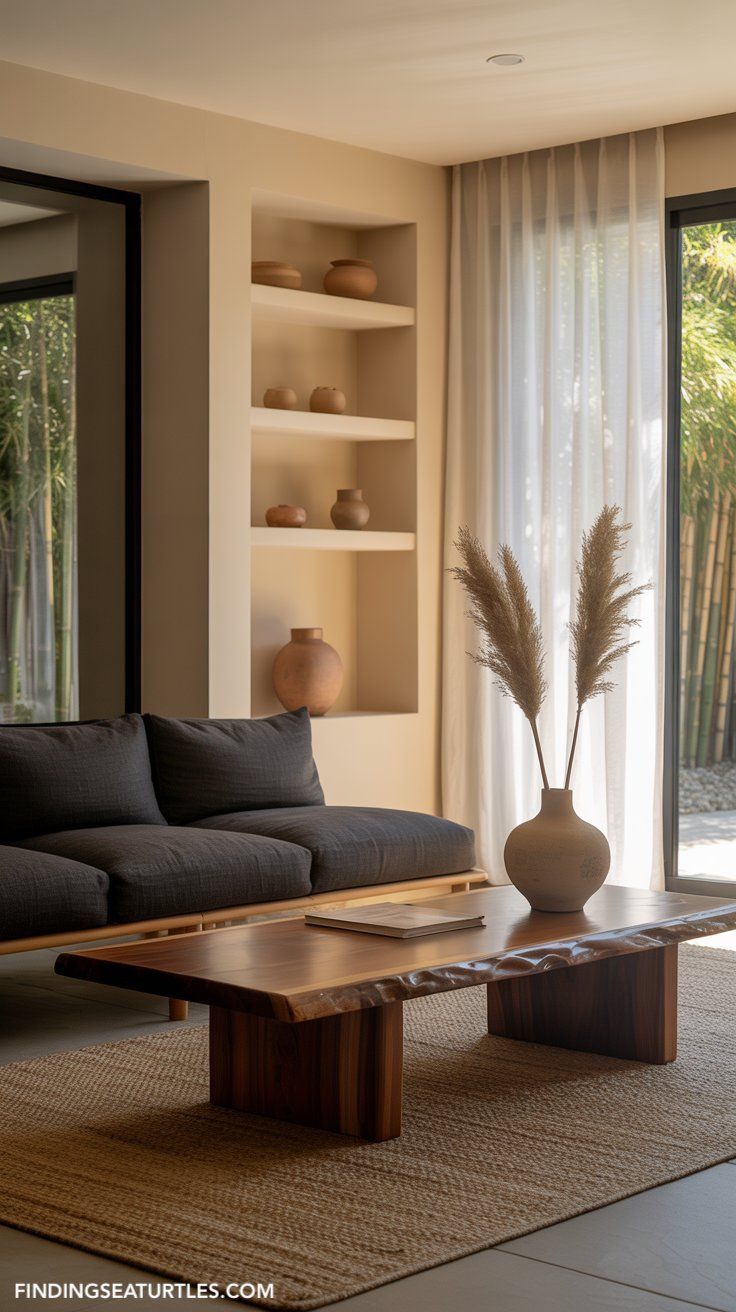
Japandi Style Tips
Japandi design binds Japanese and Scandinavian styles. These Japandi spaces are not only functional but visually attractive. Blending neutral materials with a minimalist design creates a relaxed and comfortable home.
Go for a Minimalist Approach – Japandi Style
Create a space free from clutter but maintain functionality. Set aside negative spaces in every room. Negative spaces are empty or unoccupied areas of a room. Negative spaces create openness and breathing room between furniture and its objects. This balance of furnishings and negative spaces creates visual interest in a Japandi-styled home.
Japandi design focuses on essential elements. Fill rooms with furniture and furnishings that have clean lines and a simplistic style. Select furnishings with sleek or geometric shapes rather than ornate and elaborate designs. Always go for simple, minimalist aesthetics with attention to functionality and elegance.
Keep it Neutral
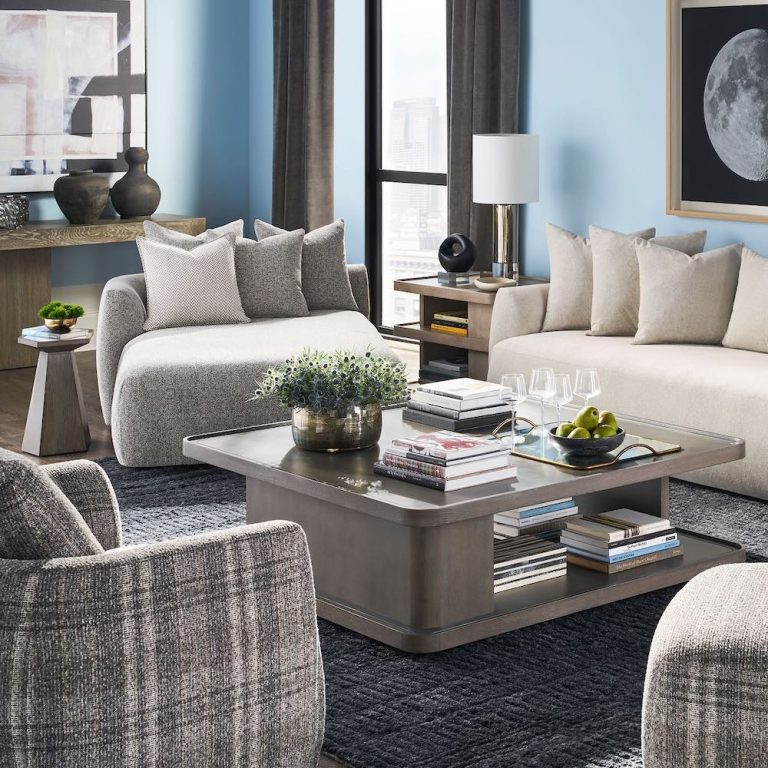
In keeping with the Zen aesthetic, neutral colors provide calmness, harmony, peace, balance, serenity, clarity, and tranquility in a home. Neutral colors such as whites, greys, beiges, browns, and earthy tones create a serene and harmonious atmosphere. Furnishings made from Boucles, linens, and cotton materials provide the elements for a Japandi-styled home.
Add Natural Materials
When styling a Japandi space, select furnishings made from natural wood. For Japandi interior design, pick from light to medium-toned woods such as oak, birch, and maple. Using mixed wood finishes of light, medium, and dark wood creates a harmonious and balanced appearance.
Wood brings warmth and natural beauty to a Japandi aesthetic.
Fill Your Home with Functional Furniture
Utilize furniture for multiple purposes. Japandi’s design embraces the beauty of furniture as well as its functionality. For example, an ottoman can be used as a footstool. Likewise, an ottoman can serve as a side table, or in some cases, the interior of an ottoman provides storage.
Spread Wabi-Sabi Throughout the Home
Founded on three Buddhist principles, Wabi-Sabi teaches the three marks of existence: impermanence, suffering, and emptiness. It reminds us that nothing lasts forever, is never finished, and is never perfect.
Wabi-sabi developed from the aesthetic philosophy of the fifteenth-century Japanese tea ceremony. The aesthetic of Wabi-Sabi finds beauty in imperfect, impermanent, and incomplete things. This Japanese concept recognizes the imperfection and beauty of natural aging. To complete your Japandi design, include ceramics, pottery, or textiles made by artisans in your furnishings. Handmade accessories reveal irregularities, textures, and imperfections, which provide a distinctive look.
Bring the Outdoors Inside
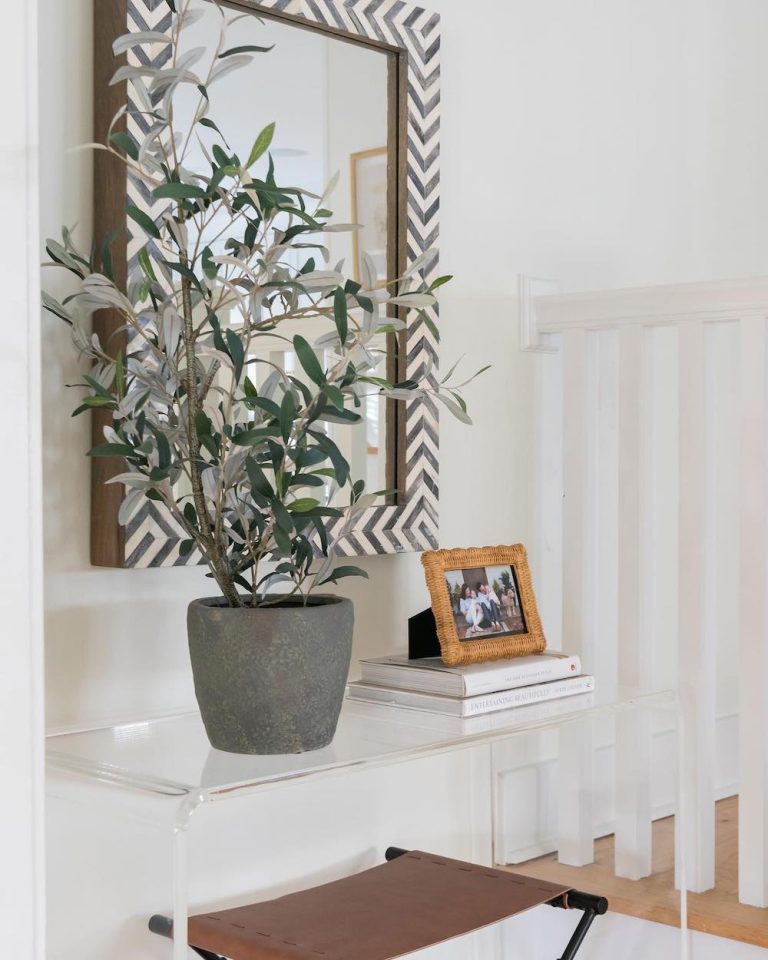
Indoor plants add a sense of calmness to the indoor design. Select low-maintenance plants that bring nature inside. Low-maintenance plants such as succulents, terrariums, and bonsai trees are perfectly suitable for the simplicity of the Japandi style.
Japandi interior design combines the best of Japanese and Scandinavian styles. This style creates a visually attractive, functional home. Implementing a minimalist style paired with natural materials provides for a harmonious, balanced home decor style.
Typical Colors of the Japandi Style
Natural, earthy hues and subtle greens paired with the simplicity of the Japanese and Scandinavian design bring the essence of the Japandi style. Earthy beige, brown, and grey tones provide a calming atmosphere in a home. These colors reflect the natural beauty of Japan’s landscape.
Inspired by traditional Japanese ceramics and porcelain, the combination of soft blues and white produces a serene and peaceful atmosphere in the home. This combination brings calmness to any room.
Japandi colors create a clean, minimalist look:
White colors bring about a clean and crisp minimalist appearance.
Beige is a warm and inviting color that adds a cozy feeling to a space.
Brown colors provide an earthy tone reminiscent of the natural beauty of Japan’s landscape.
Green colors bring the outdoor colors inside. The color green adds a refreshing feel to a space.
Gray colors are cool and crisp, giving the space a clean and minimalist feel.
Soft blues and grays are warmer colors with yellow or green undertones. These colors appear closer. The overall effect of soft blues brings a cozy feel to a space.
Materials Commonly Used in Japandi Style
Natural materials such as wood, stone, leather, and linen are commonly used in Japandi design. This Japanese minimalist design mixed with Scandinavian design creates a Japanese design.
For wood furnishings, use light to medium-toned wood. Wood similar to oak, birch, and maple is typically used for furniture and flooring. The natural grain and warmth of the wood contribute to the calm appeal of the Japandi style. Although darker woods are not as frequently used, they provide a sophisticated look to the Japandi home.
Stone materials enhance the look and functionality of the home. Natural stone can be manufactured into accents for added warmth in Japandi interiors.
Leather material enhances home decor in furniture, wall coverings, and accents. For instance, leather panels create feature walls that add warmth and an elegant look. Create contemporary sleekness and timeless aesthetic with a Japandi design.
Linen is a versatile fabric that lends itself to many uses in the home. It is a natural fabric that is durable, breathable, and eco-friendly. Linen helps regulate moisture levels and brings a relaxed elegance to the Japandi-designed home.
Both rattan and bamboo furnishings bring a natural texture and warmth to the Japandi aesthetic. This organic appearance can be incorporated into various decor styles with its natural feel.
Furnishings with neutral tones and many textures are used throughout the Japandi home.
Houseplants are organic and used throughout the home in a Japandi decor style. The benefits of houseplants include improved air quality, enhanced mood, and reduced stress, anxiety, and depression. Indoor plants also increase productivity, creativity, and concentration. An added benefit is the connection that indoor plants bring to the home—a connection to nature by bringing the outdoors inside.
History of Japandi Style
The design of Japandi dates back hundreds of years. The Japanese reopened their borders after a closed border period that lasted about 200 years, during the mid-1850s. At this time, many Scandinavian designers traveled to Japan. After seeing the Japanese-styled interiors, Scandinavian designers realized the similarities between Japanese and Scandinavian styles. Both styles emphasize simple decluttered spaces with natural materials in neutral colors. The combination of these two harmonious styles began the Japandi design movement.
Japandi – Trendy or Timeless Design
A unique style, Japandi combines both the aesthetics of Scandinavian style and Japanese design. This ever-popular design trend mixes elements of Japanese decor with Scandinavian ones. The clean lines and the minimalist style of Scandinavian furnishings are blended with natural materials and subtle textures of sophisticated Japanese design. Combining these two styles creates a modern, calm, welcoming, functional space with a neutral palette.
Japandi is widely popular and currently in style. It brings a warm and inviting atmosphere to the home. Due to its clean lines, natural materials, neutral colors, and functionality, Japandi design is considered timeless. This aesthetically pleasing style never appears to lack modernization or feel dated.
Japandi Philosophy
A philosophy that fuses Japanese wabi-sabi and Scandinavian hygge. This lifestyle is minimalist, simple, functional, and natural. Japanese wabi-sabi developed from the fifteenth-century Japanese tea ceremony. The Japanese wabi-sabi aesthetic sees the beauty of imperfect, impermanent, and incomplete things. The concept sees the beauty of natural aging.
Scandinavian hygge describes a feeling of contentment and coziness. It is a lifestyle that encourages people to enjoy the simple pleasures in life and the significance of quiet reflection and conversation. Japandi’s design promotes calmness, well-being, and mental health.
The concept of Japandi design co-mingles the Japanese wabi-sabi and Scandinavian hygge philosophies. The simplicity and functionality features of Japandi make it a much sought-after design style in today’s home.
Differences Between Japandi, Wabi-Sabi, and BoHo
Wabi-Sabi has three major Buddhist principles. These are the three marks of existence: impermanence, suffering, and emptiness. This is a reminder that nothing lasts forever, is never finished, and is never perfect. Wabi-Sabi celebrates this beauty and the natural aging process.
The design style of Japandi blends Japanese minimalism and functionality with the coziness of the Scandinavian style. In addition, Japandi incorporates Wabi-Sabi principles into its design aesthetic. This heightens the appeal and creates visual interest in the Japandi design.
The boho or Bohemian design style welcomes an eclectic vibe, vibrant colors, many textures, and globally inspired elements. This free-spirited vibe promotes individuality while incorporating a variety of accents in its design. The Boho style is in contrast to the Japandi style. Japandi seeks calmness and order, while Boho seeks creativity and individuality.