Spring Garden Cleaning Tips 10 Ways to prepare the Garden for Spring
PIN IT
10 Spring Garden Cleaning Tips DIY Tips Frugal Gardening
PIN IT
10 Garden Cleaning Tips for Spring Prepare your Garden Now
PIN IT
SPRING CLEANING for the GARDEN! DIY Gardening
PIN IT
Spring Garden Cleaning 10 DIY Tips to Prepare the Garden for the Season
Spring garden cleaning tips to begin now. Temperatures are slowly rising and you notice that the days have longer periods of much welcomed sunlight. Evening temperatures are gradually rising as well. Although, the temperatures teeter between warm days and cool nights now is the ideal time to tidy the yard.
Spring Garden Cleaning Tips – 47 Rue Daguerre 75014 Paris France
Warmer Spring days make Spring garden cleaning much easier. Along with the numerous garden activities come the added health benefits of gardening. What are those benefits of gardening? Well, first the abundance of fresh air. That alone is uplifting especially after a long Winter season indoors. As you continue to garden your physical activity increases, mental health improves, and socially there is the friendly wave as neighbors pass by. Start your Spring garden cleaning and you can be sure to improve your physical and mental health. Get outside to reacquaint yourself with the garden as it slowly emerges from its Winter slumber. And to help you along, we’ve listed our 10 Spring Garden Cleaning tips for the Spring garden.
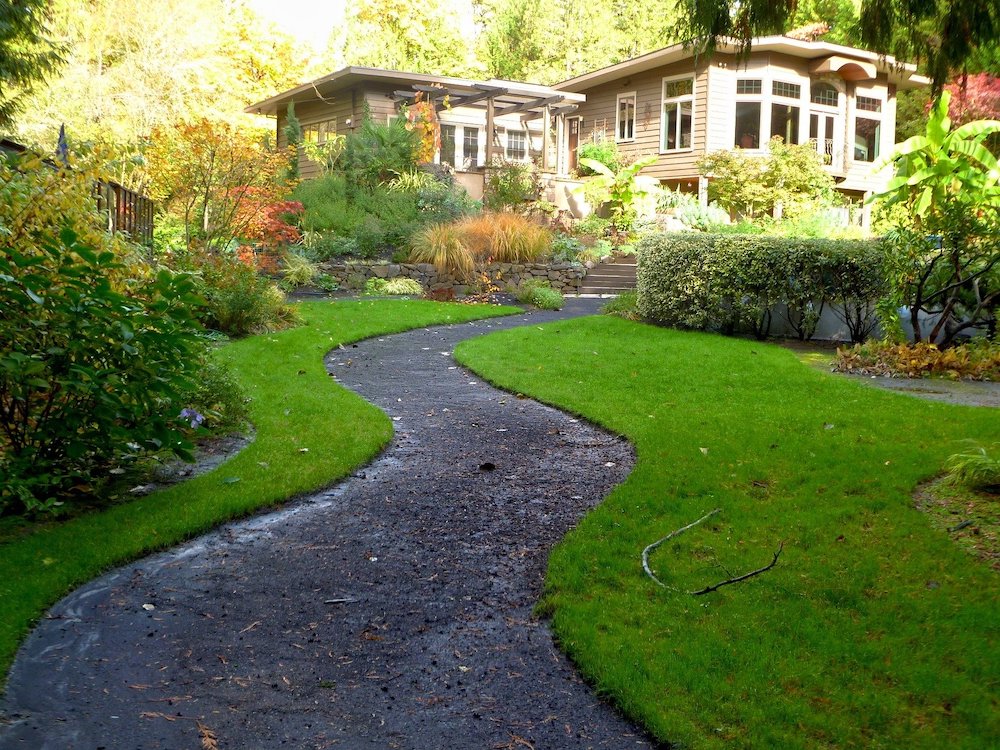
Clean the front and back lawns. Remove yard debris or trash. Yard debris can either be dropped in the compost or sent to the yard waste recycling center.
Over the Winter months, branches from the massive maple trees in our yard break off. The cold Winter storms and winds damage our trees. In the early Spring, our yard is littered with fallen tree branches. A few branches can be 20 feet long and heavy from the melted snow. There are leaves from the previous Autumn, and a few pieces of trash. Simply walking across the yard picking up the fallen branches, yard debris, and trash gives you a good work out. An early season clean up provides good fresh air and the opportunity to stretch your legs. At the end of the day, you’ll have a tidy lawn.
Walking from one end of the yard to the other is great exercise. Add to the walking, picking up branches helps burn calories. But dragging large heavy tree branches across the yard gives you an ever more intense workout. Just as dragging a 100 foot garden hose is similar to exercising by dragging a tire, well maybe a smaller tire. Either way, you can burn a fair amount of calories while you tidy the lawn.
LAWN DE-THATCHING
Your lawn may need de-thatching or aerating. De-thatching is the process of removing thatch from the lawn. Aerating allows air, water, and nutrients to penetrate the soil and reach the roots. Better absorption of nutrients leads to a healthier lawn.
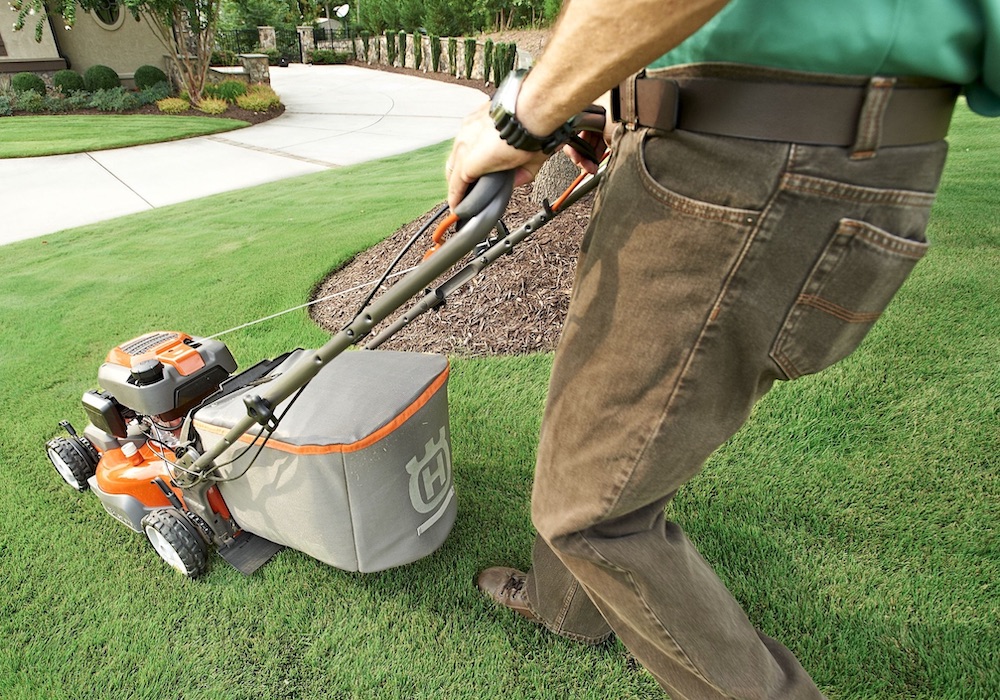
If you mow the lawn with a bag attachment, the bag collects the grass clippings. Collected grass clippings in a bag attachment can be added to the compost bin or composted separately. However, lawn mowing without a bag attachment allows the grass clippings to fall on the lawn. Grass clippings are good for the lawn since over time they break down by microbes. Once broken down, the clippings provide nutrients and organic matter to the lawn. Grass clippings on the lawn are referred to as thatch.
PIN IT
Spring Garden Cleaning Tips – Lawn Mower with Bag
Infrequent grass mowing allows grass to grow longer. Longer grass clippings on the lawn, take more time to decompose. Clippings or thatch that takes too long to decompose creates a barrier that can deprive the lawn or grass of nutrients. Too much thatch on the lawn can inhibit air, moisture, and sunlight from reaching the grass roots and surrounding soil.
If you have too much thatch on your lawn, it needs to be removed so that the grass is not smothered. The removal of thatch is called de-thatching. De-thatching or removing the grass cuttings allows nutrients such air, rainfall, and sunlight to reach the grass roots thereby creating conditions for the lawn to stay healthy.
LAWN AERATING
Aerating the lawn helps loosen compacted soil. Compacted soil prevents water, air, and nutrients from reaching the grass roots. An aerator removes soil plugs to help break down soil so that it isn’t tight and compressed. By aerating the lawn, air, water, and nutrients can more easily reach the roots. In a nutshell, de-thatching removes a grass barrier whereas aerating addresses soil issues such as compacted soil.
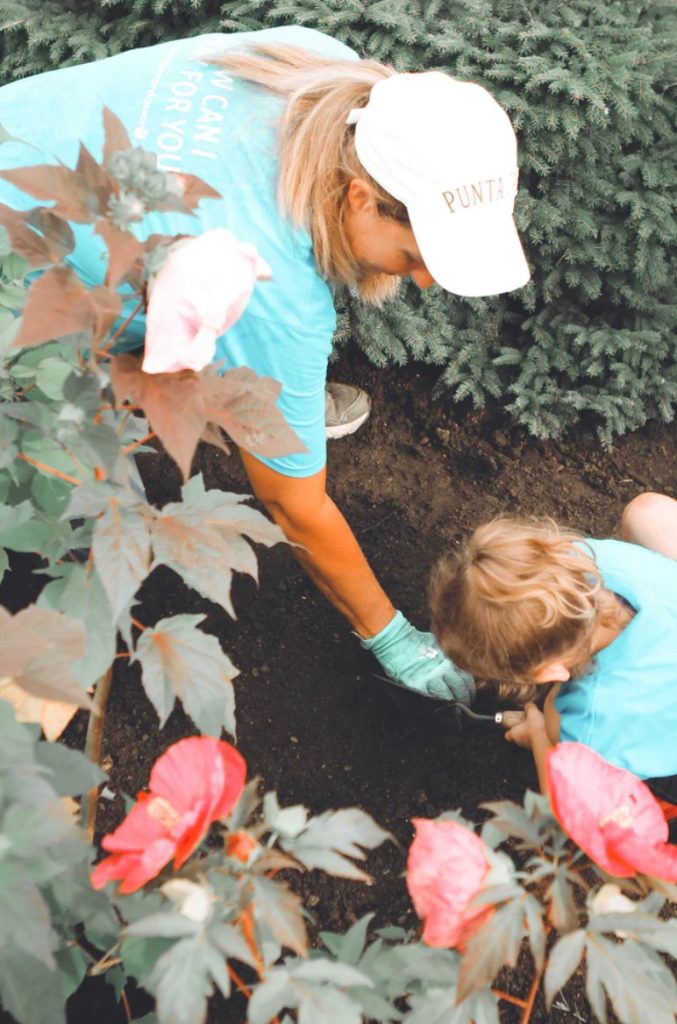
Work through garden beds extracting any remaining Autumn leaves as well as any seasonal garden plants.
Clip any damaged or diseased plants that can damage the other plants. Remove any dead Fall garden mums.
Remove old holiday decorations from the previous year.
Separate perennial plants that have grown too big.
Relocate plants in the garden beds. Some plants adjust better than others to transplanting. A few plants may take several seasons to adjust to a new garden space.
As you clean the garden beds you may find perennials that are at the very beginning stages of growing. Careful not to remove these plants. The Spring season is a time to experience the awakening and renewal in the garden. The benefits of garden work are felt in the body as well as the mind.
3. Spread Compost to the Garden Beds and Lawn
PIN IT
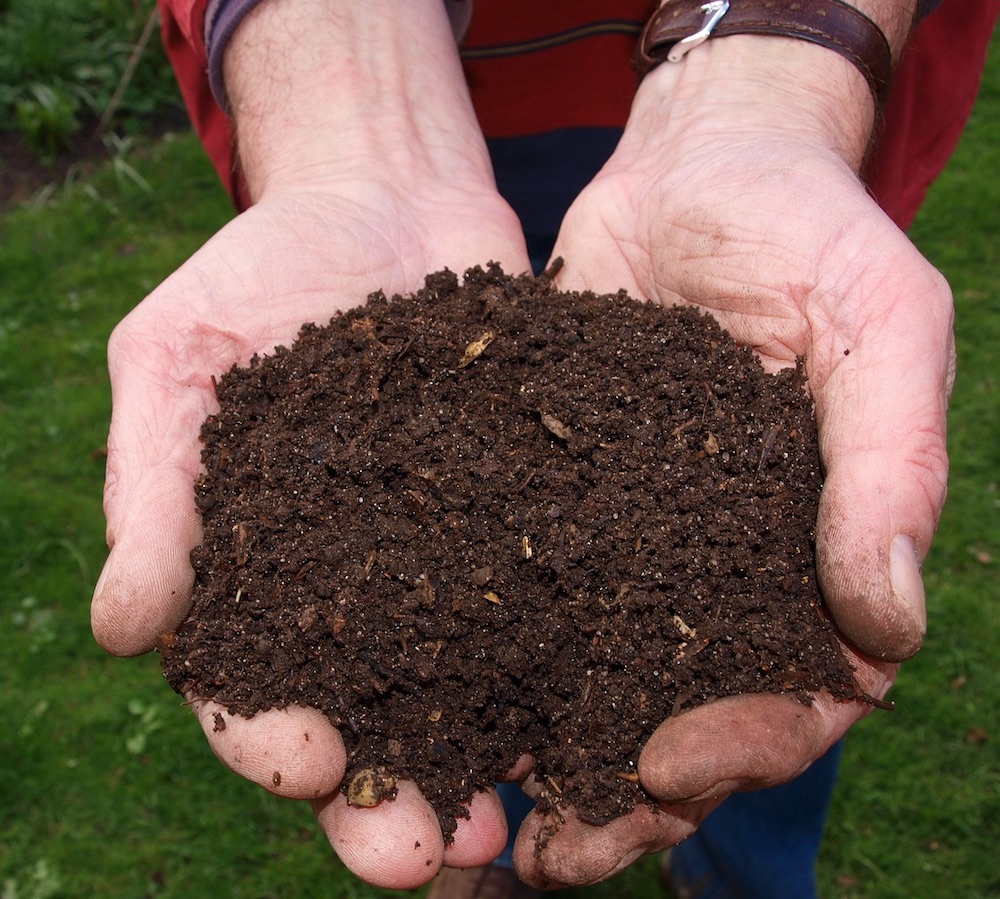
Spring Garden Cleaning Tips – Fresh Compost
Work compost into the garden beds. Mix the composted organic material with the existing garden soil. Organic material helps the soil maintain its light airy structure. Light, airy soil provides a balance between water retention and the drainage of excess water.
Spread compost over the lawn to give the lawn a nutritious boost before the heat of the Summer arrives. And if you don’t have a compost bin then start one. Composted organic material replenishes soil nutrients that have been depleted over the previous growing year. Shoveling compost into a wheel barrel for distributing to the garden beds and lawn is an excellent workout. I spread this task out over several days so that I’m not too exhausted the first few days in the garden. Compost is a frugal gardening solution to provide organic material to the garden without spending money. All composting requires is some of your time.
Note: Many towns encourage residents to reduce the volume of trash sent to the landfill. One way to reduce your weekly household trash is to compost fruit and vegetable scraps along with egg shells. Keep a kitchen compost pail handy to collect the day’s food scraps. And at the end of the day, take the pail and drop the daily food scraps in the outside compost bin. This practice helps reduce the amount of trash going to the landfill. After a week, you’ll realize just how much landfill trash you have redirected to the compost bin.
4. Add Mulch To Garden Beds
PIN IT
Spring Garden Cleaning Tips – Garden Spring Clean up
Spread mulch over garden beds, around shrubs, and trees. A layer of mulch around plants helps maintain moisture in the ground. Without mulch, rainfall can easily evaporate from the garden. Another benefit of mulch is that it prevents weeds from growing. Mulch suppresses weeds by depriving weeds of water and sunlight. The chances of weeds growing is reduced.
Mulch is usually bought in 2 cubic feet bags or loose. The loose mulch is purchased as “a yard” which is 27 cubic yards. Spreading mulch around garden and flower beds can take some time. Whether you are lifting 2 cubic feet bags of mulch to spread in the garden beds or shoveling loose mulch, you will get a great workout. Filling a wheelbarrow full of mulch then wheeling it across the yard takes strength and some muscles. Nevertheless, this is a great way to help maintain a healthy weight and relieve stress. On sunny days, you’ll receive a good dose of Vitamin D. Also known as the “Sunshine Vitamin”, Vitamin D helps with providing calcium to the bones.
Early Spring is a great time to plant shrubs or trees, if needed. And shrubs that have outgrown the garden bed or have insufficient access to sunlight, may need to be moved. Springtime is a good time to move shrubs before they reach maturity. It becomes more difficult to move a mature shrub. If overgrown shrubs need to be trimmed, cut back any branches that have grown into a garden pathway or walkway. Walkways should be easy to navigate and free from any obstruction.
Trees should only be moved if they are small enough or young enough to move. Consult an arborist or landscaping professional for larger trees.
6. Grow Vegetables
PIN IT
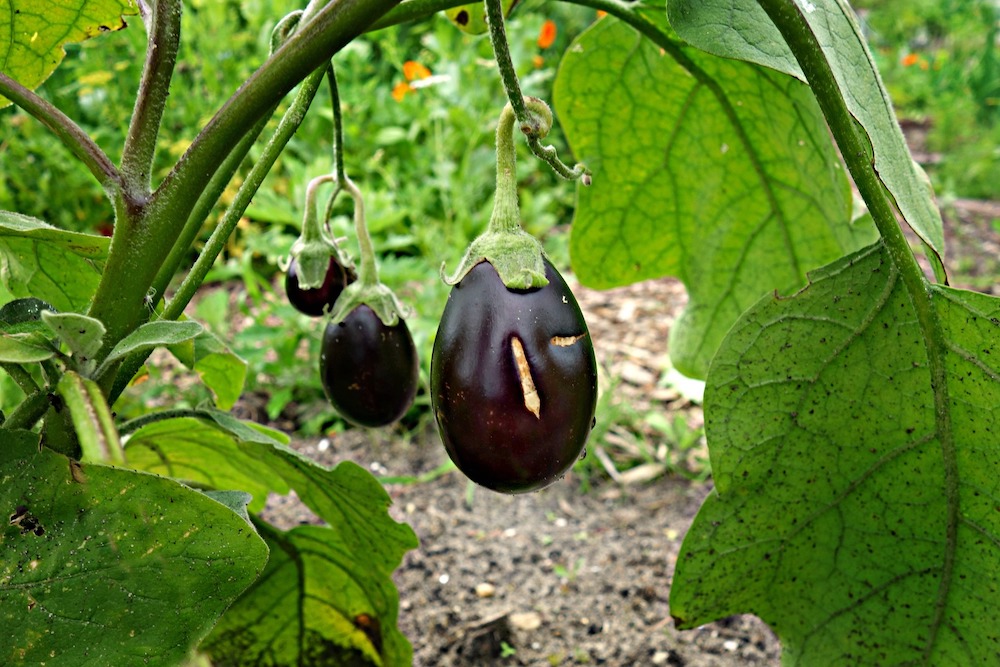
Spring Garden Cleaning Tips – Growing Eggplant
Start growing your vegetables if you are growing from seeds. Followed by preparing the vegetable garden for the young plants. Till the vegetable garden and add composted organic material to the vegetable garden soil.
Growing your own vegetables can help improve your diet. Eating fresh vegetables from your private vegetable garden will save you money. There is no need to travel to the grocery store when you can step into your backyard and pluck the vegetable you want. Having your own vegetable garden has a positive effect knowing that you grew the vegetables yourself.
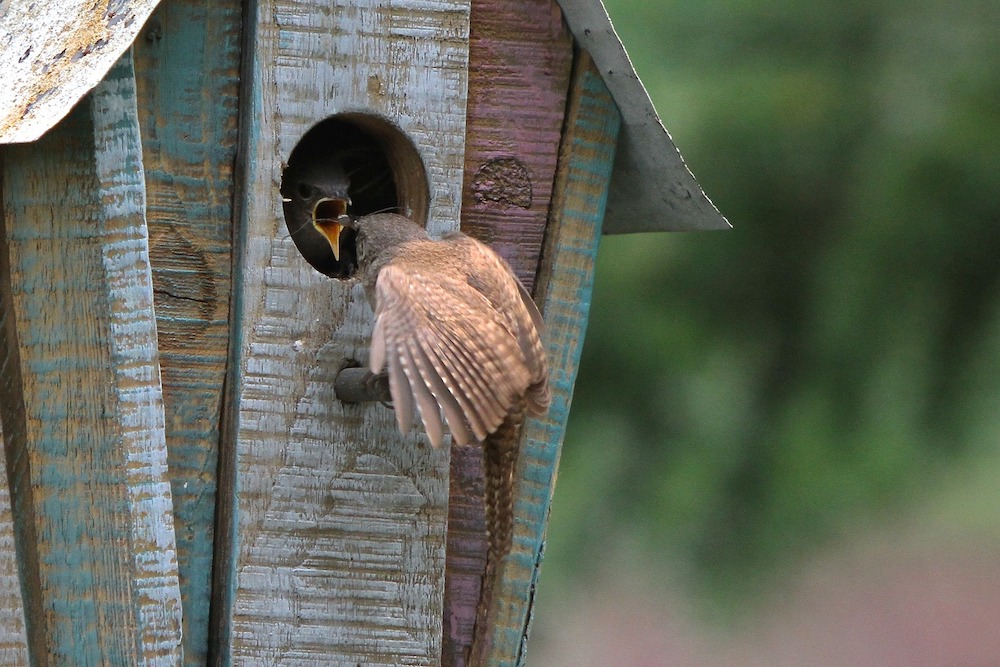
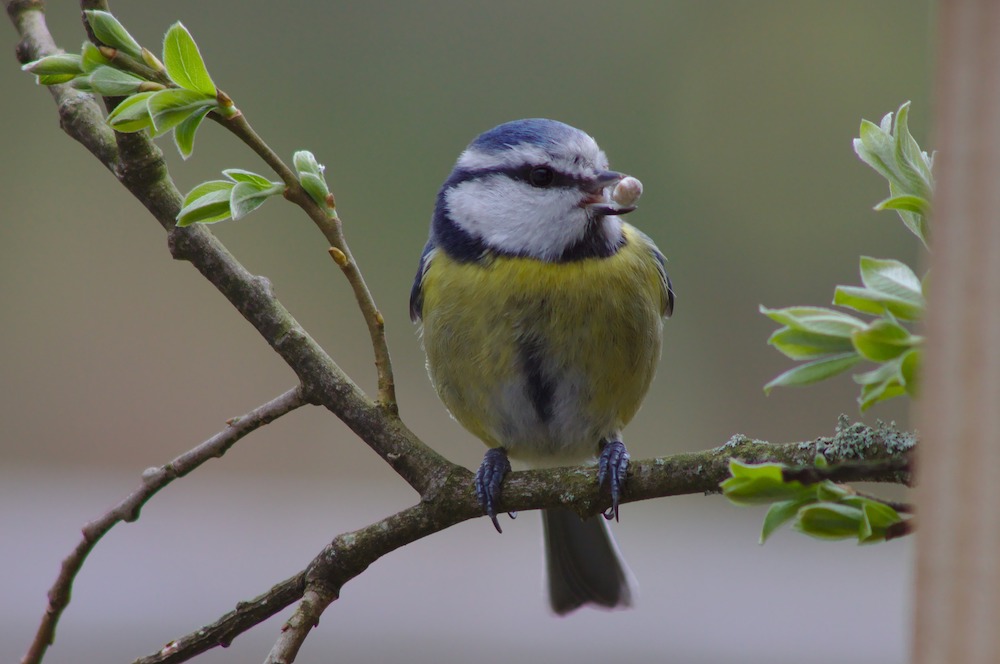
During your Spring garden cleaning, don’t overlook the birdhouses. Prepare your birdhouses for the next tenants. First, make sure the birdhouse is vacant and unoccupied. Second, slip on a pair of gloves. Open the birdhouse and remove all nesting material that remains from the previous tenant. Third, wash the birdhouse thoroughly and air dry. Fourth, once the birdhouse has dried, take a closer look at the structure. Search for any loose or damaged parts inside the house. Repair or replace any areas of the birdhouse before reusing.
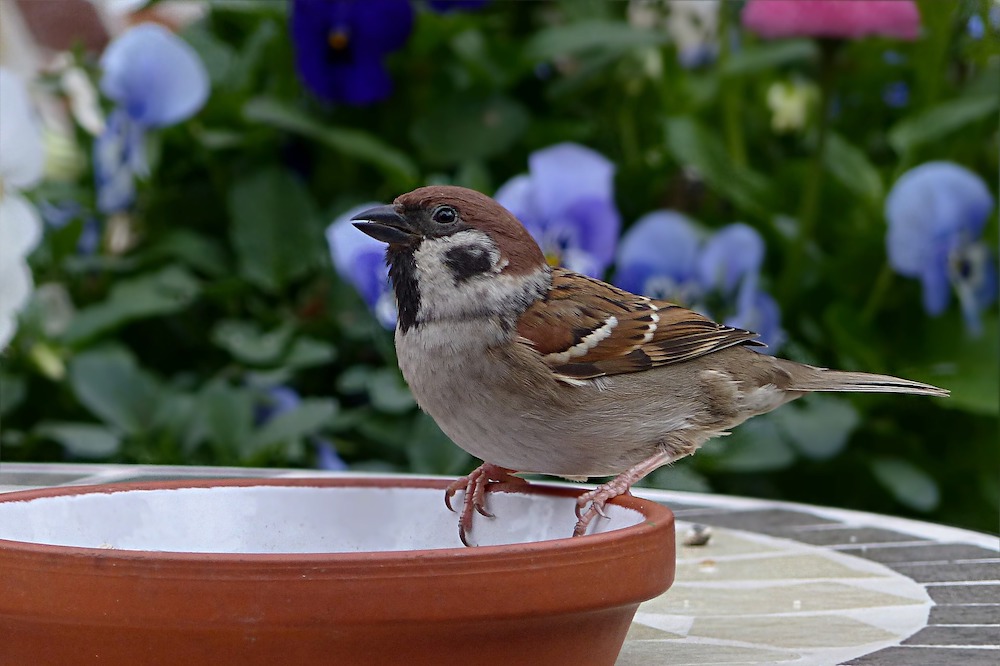
If you don’t have any nesting boxes or birdhouses in your garden, consider adding one or two. Birds are good for the garden and the gardener. For more about nesting boxes and birdhouses, read our post: 10 Blissful Birdhouses To Attract Birds.
Interacting with garden plants and birds improves your well being. Surrounding yourself with nature and all forms of wildlife leads to better overall health.
8. Provide Multi-Season Food for Butterflies, Bees, and Birds
PIN IT
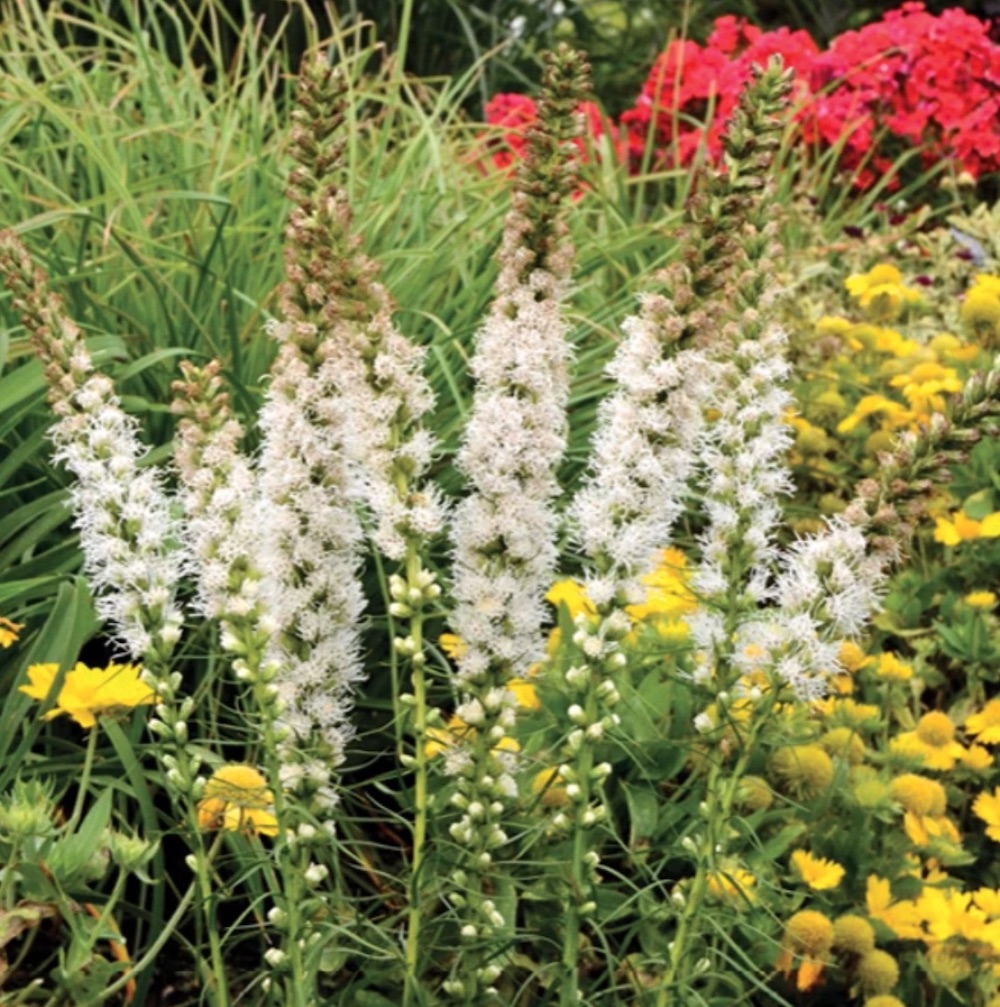
Spring Garden Cleaning Tips – Liatris Floristan White
Floristan White Liatris
Native Liatris is also known as Blazing Star and Gayfeather. This beauty perennial grows in zones 3 to 9 in full Sun. Summer blooming Floristan White Liatris attracts bees, butterflies, birds, and hummingbirds to its nectar rich white spikes. Tops out at 38 to 42 inches tall.
During Spring garden cleaning, assess your garden plants, shrubs, and trees. If you have a pollinator garden, make note of the plants your garden has. Keep your plant listings in a garden journal for easy reference. A successful pollinator garden needs the following basics:
Plants that bloom throughout the seasons. A garden with Spring, Summer, and Fall blooming plants that provide nectar rich blooms.
Source of freshwater throughout the year
Nectar rich plants are visited regularly by many winged visitors. To attract butterflies, bees, and birds grow plants with blooms where nectar is plentiful. And freshwater is so important during the hot Summer days.
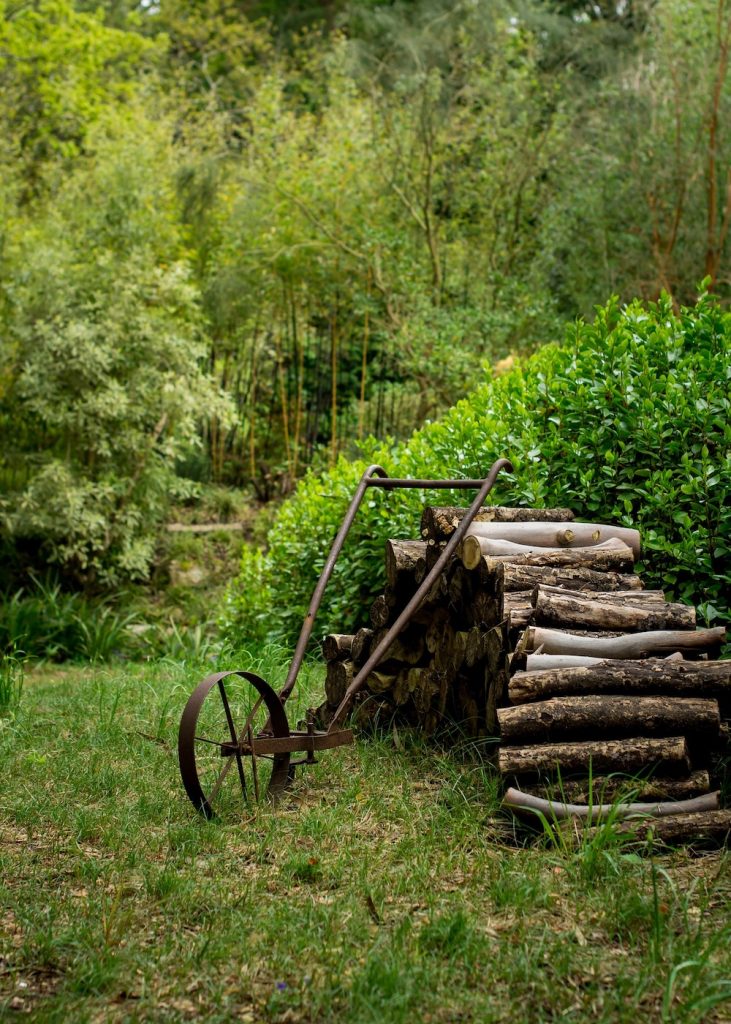
Be sure to look over any Wildlife garden space you have in your garden. Make adjustments to the habitat. Is the log pile sturdy enough to sustain wildlife? The pile may need some additional logs.
If there isn’t a space dedicated specifically for wildlife, think about adding one. A wildlife habitat is easier to create than you might think. Wildlife such as bees, birds, butterflies, and others need safe places. Safe places for nesting, roosting, and raising offspring. A place that offers wildlife cover from severe weather conditions as well as predators.
Essentials for creating a wildlife habitat include four features. First, a variety of food sources year round. Second, a reliable source of clean water. Third, protection from weather conditions and predators. And finally, a nesting and secure place to raise offspring. One way to create a wildlife habitat is to stack a group of old wood logs. Use a garden section that is remote away from the street and walkways that pedestrians use. This offers wildlife to seek cover when needed. Another option is to leave an old tree stump to rot. The decaying tree stump is used by wildlife habitat.
These minor additions to the garden are not costly. Yet they provide enormous benefit to wildlife. Wildlife can thrive in this kind of environment. And you’ll have a sense of pride by increasing the Wildlife value of your garden. For more information about creating a wildlife habitat, read out post: How to Build Habitats for Beneficial Wildlife.
10. Note Repairs Needed to Garden Structures
PIN IT
Spring Garden Cleaning Tips – Rustic Garden Gate
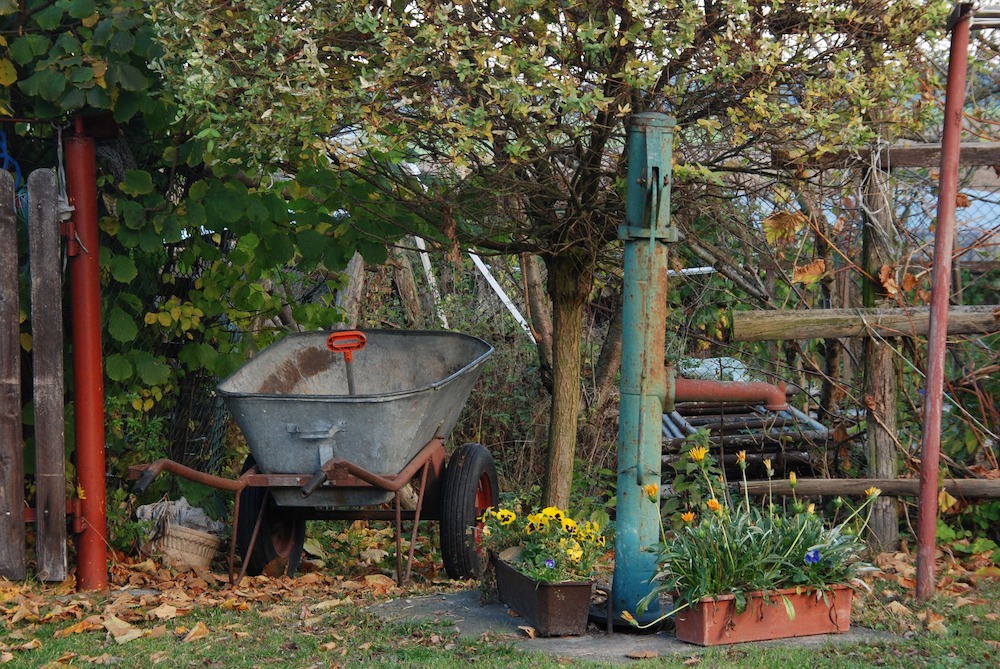
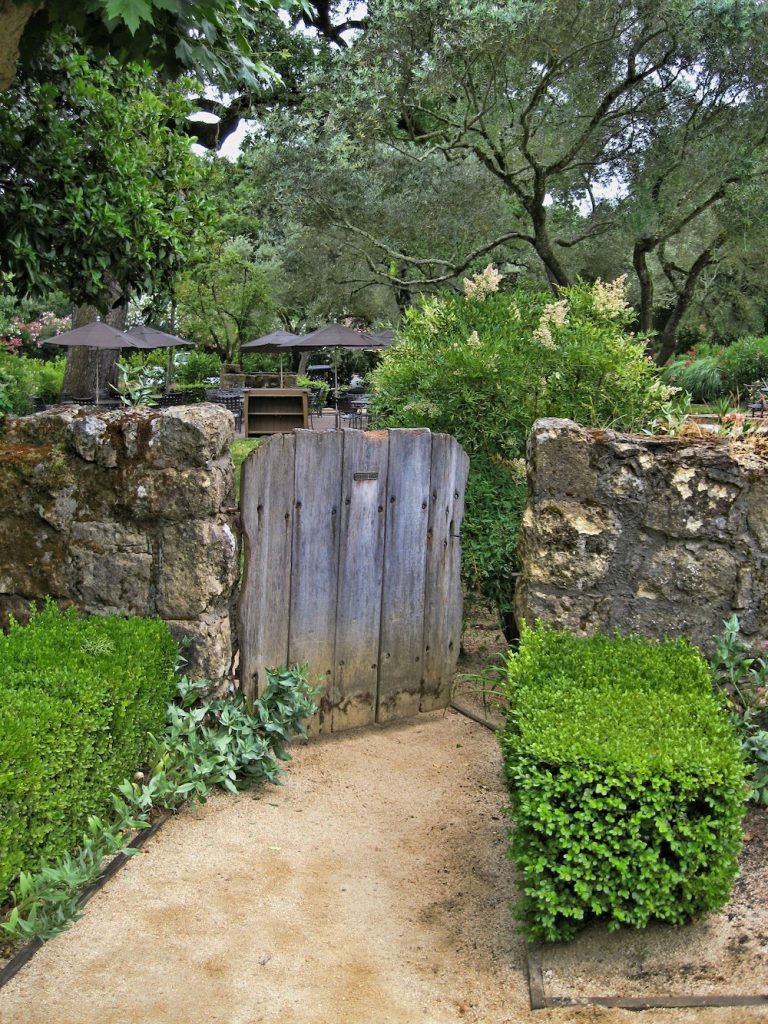
As you assess the overall condition of the yard and garden, note any damage to garden structures. Severe Winter storms can do considerable damage to garden structures. Note any damage to fencing, sheds, garden gates, patios, walkways, and pathways.
This ends our Spring Garden cleaning tips. We are sure you’ll find these Spring garden cleaning tips helpful. Garden activities not only make your garden look beautiful, they provide opportunities for physical exercise. You’ll benefit from lower stress levels and the Sun exposure helps with Vitamin D. Of course, there is an immense pride in knowing that you created a great garden for yourself and the neighborhood wildlife. And we can’t overlook that gardens and the landscape increases your home’s property value.
Interested in gardening? If you found this helpful . . .
You May Also Enjoy some of our other gardening related posts.
I have always lived by the coast. Whether in Texas, Connecticut or Florida, living by the sea has been my favorite way to live. Read about my coastal lifestyle tips and experiences on my blog.
You should plant perennials that butterflies find irresistible. Love butterflies in the garden? Grow plants with blooms that butterflies find irresistible. Interested in attracting butterflies…