How to Grow Celosia
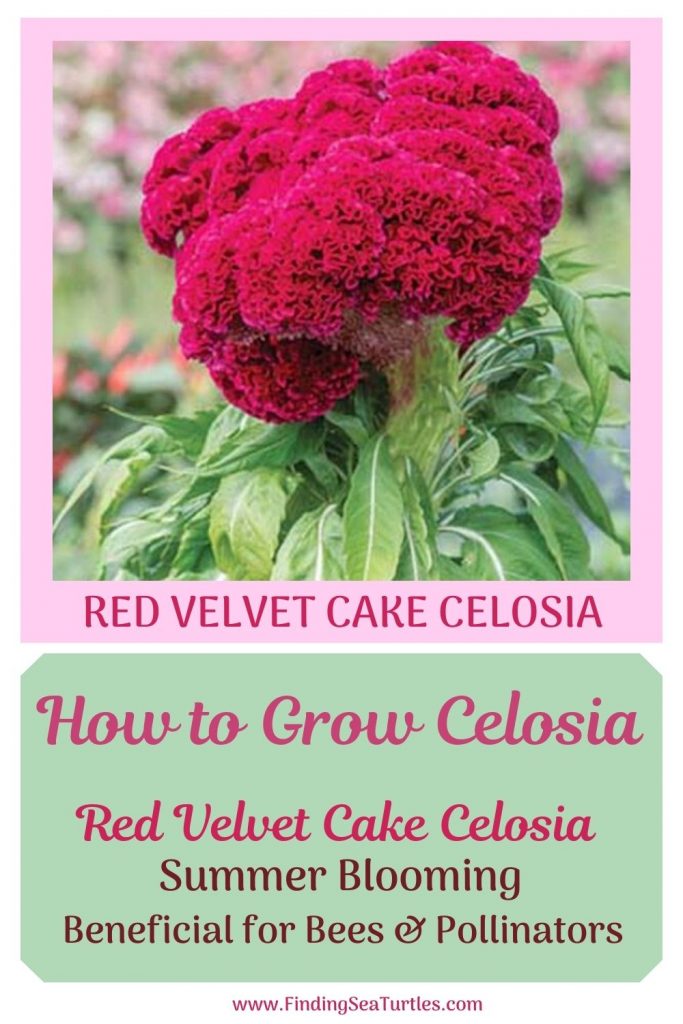
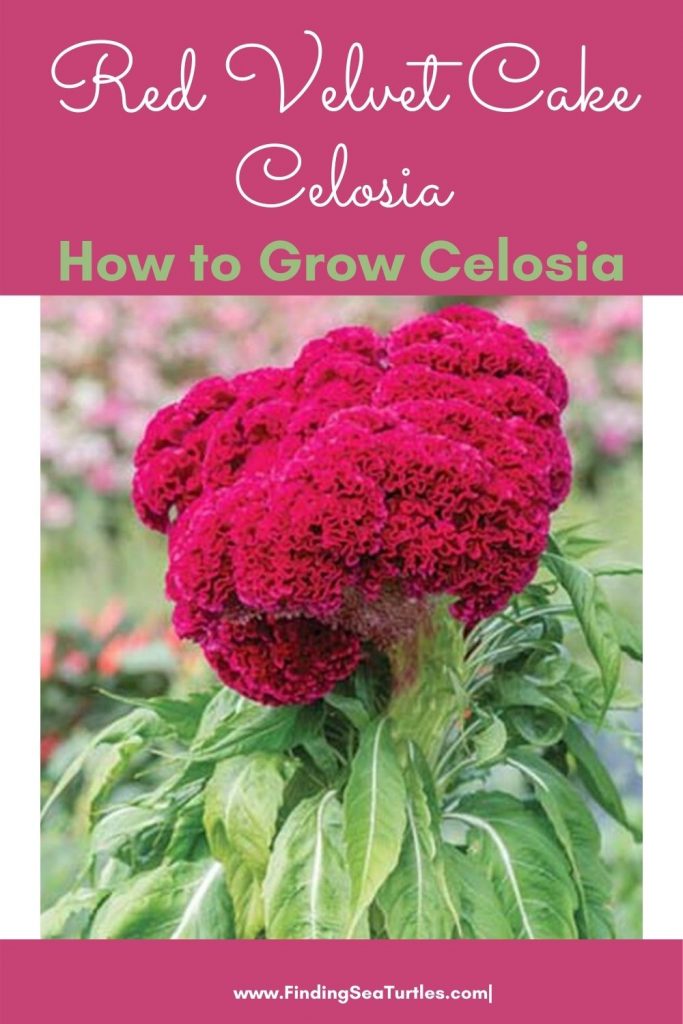
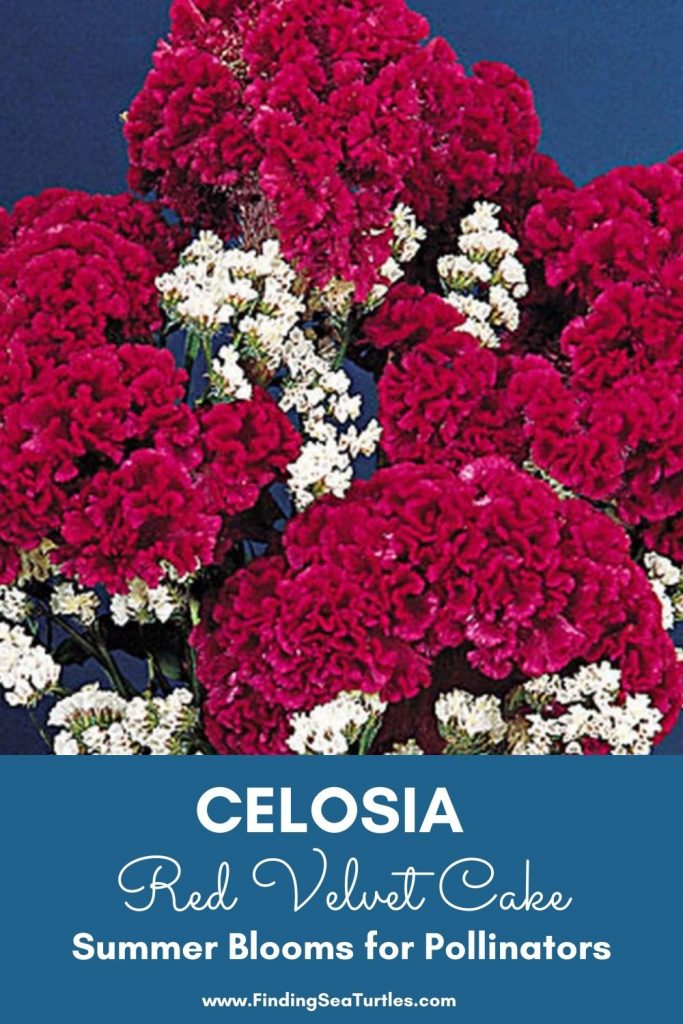
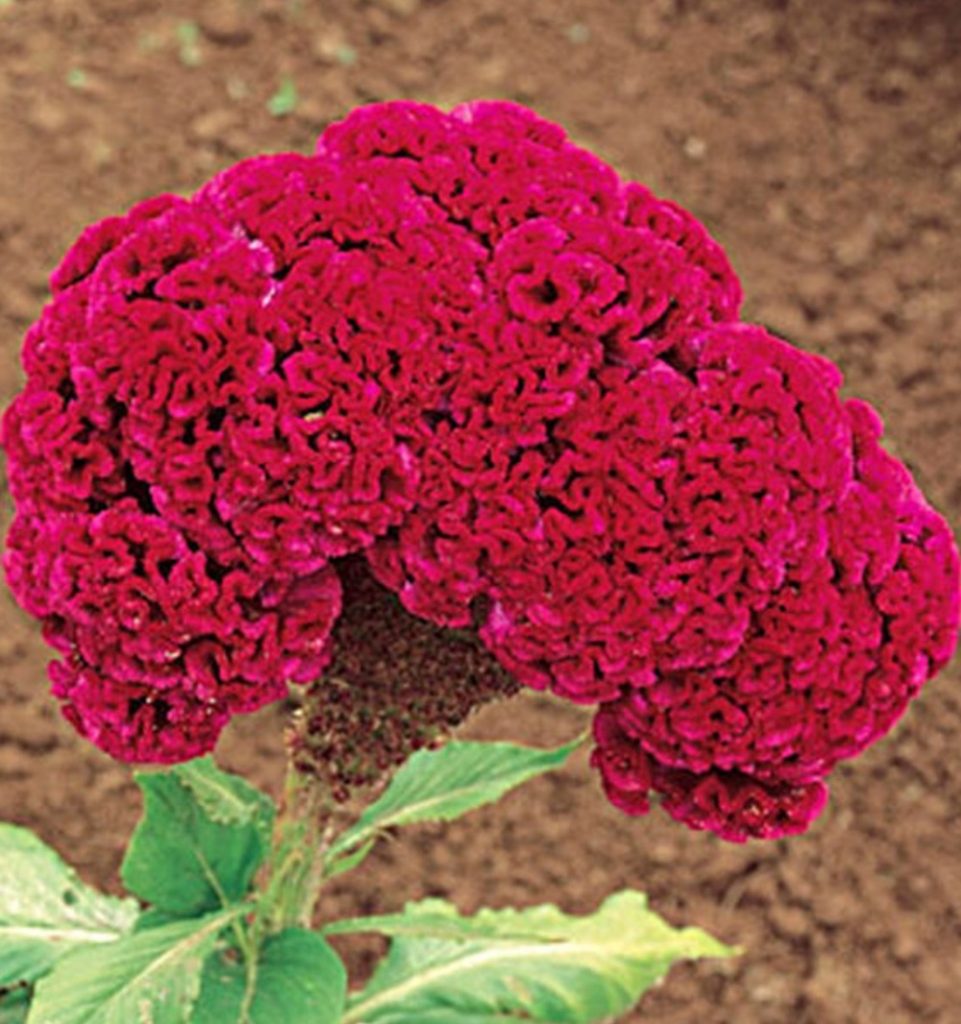
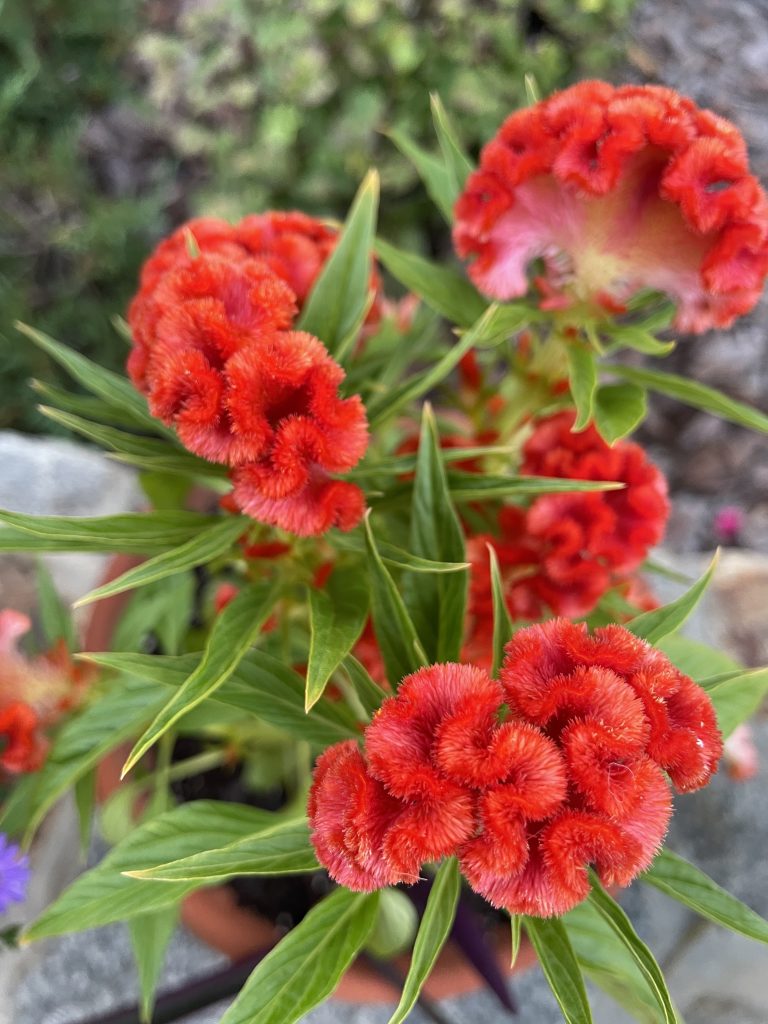
How to grow Celosia such as Red Velvet Cake Celosia is our topic today. Over the Winter season, if you are like me you’ve begun thinking about the garden. That’s right, once the hectic pace of the holidays has gone by, we can’t help but begin our Spring garden planning. On my list of annuals this year is the Red Velvet Cake Celosia. Take a look at this gorgeous flower.
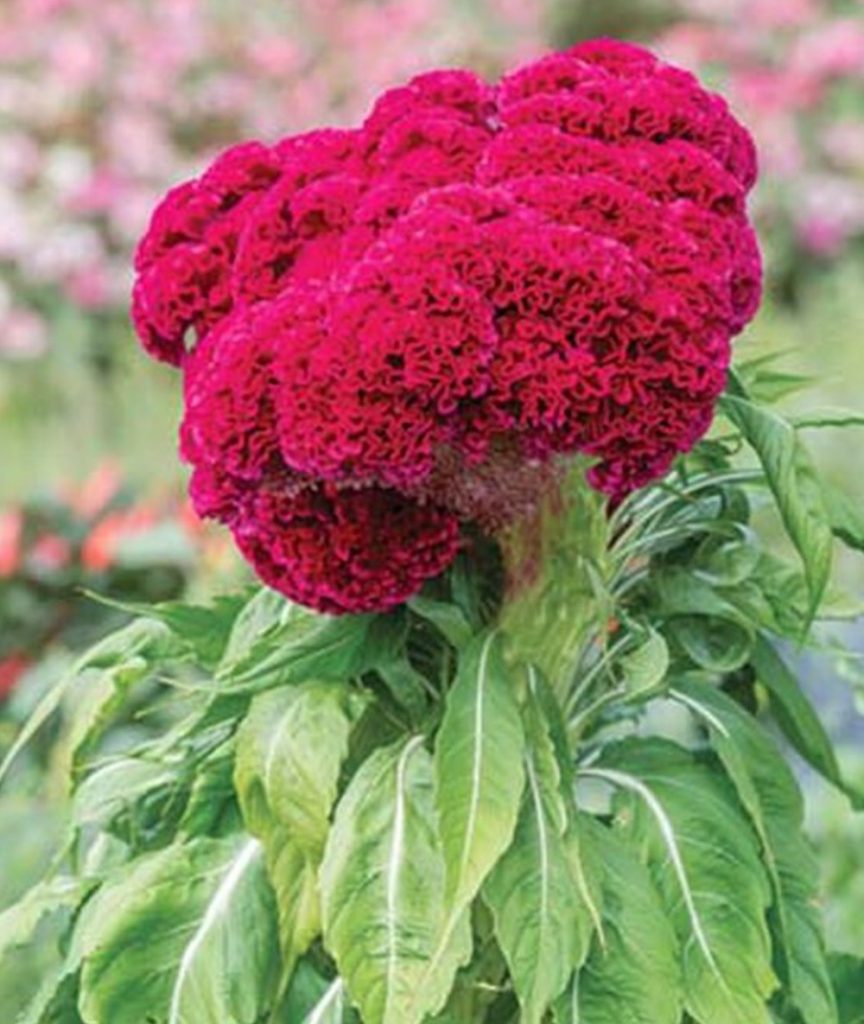
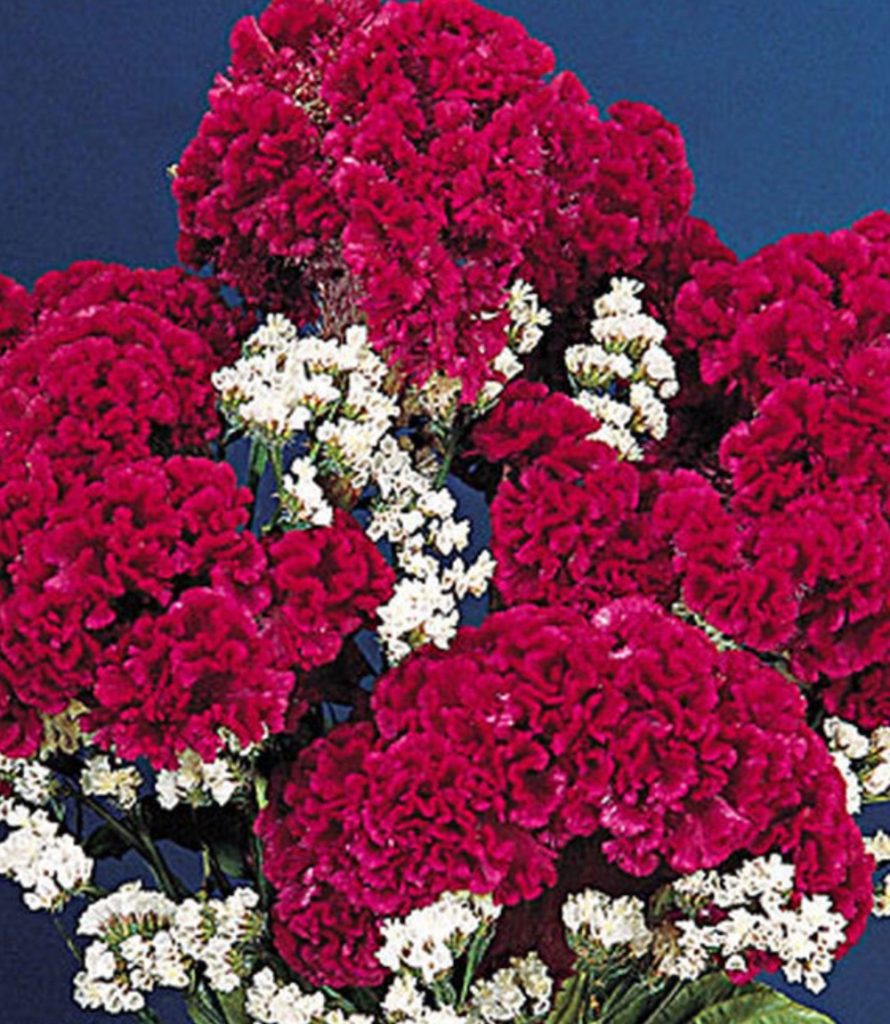
With luscious deep red florets, this annual is a standout. And great for planting in mass for all Summer long color. This celosia is named after the popular Southern recipe – Red Velvet Cake. An intense, dark-red buttermilk-style cake. This is an improved selection of celosia with large, deep red velvety florets. Another important point is that Celosia flowers attract bees and other pollinators.
Red Velvet Cake Celosia Attributes Include:
- annual plant
- full Sun
- grows between 3 to 4 feet high
- spreads 10 inches wide
- grow in garden beds and borders
- arrange in a dry cut floral bouquet
- sow indoors 4 to 5 weeks before last frost date
- transplant after frost
- attracts bees and other pollinators
- common names include the plumed cockscomb or silver cock’s comb
SOW SEEDS INDOORS – How to Grow Celosia
To get a head start on your Spring plantings, sow the Celosia seeds indoor. Sow the seeds 4 to 5 weeks before the last frost date for your zone.
- Soak seeds in a cup of water overnight before planting
- Create small mini pots using either newspaper or paper towel rolls
- If you can’t make your own mini pots, use a seed starting kit
- Fill the small mini pots with seed starter soil
- Sow seeds in soil so that seeds are lightly covered
- Maintain soil moisture at about 70 to 75 degrees
- Provide plenty of sunlight to the young seedlings (about 16 hours per day using either Sunlight from a window sill or a grow light)
- Feed seedlings at 3 to 4 weeks old with a starter solution per the manufacturer’s directions
- After seedlings develop 2 sets of leaves, thin to one seedling per mini pot
Note: when using a grow light be sure to adjust the light height as seedlings grow taller. And turn lights off during a 24 hour cycle for a resting period of 6 hours.
Protect Plants From Frost
Once warmer weather arrives and danger of frost has passed, slowly introduce the seedlings to the outdoors. Do this by moving seedlings to a covered sheltered area outside. Protect seedlings from wind and the intense Sunlight. Leave seedlings outside for a week to adjust to the outdoor elements. This period is called the “hardened off” period. Young plants become conditioned to the outdoor weather.
In the event of an unexpected frost, either bring plants indoors or cover seedlings to protect them. Return the young, tender plants outdoors the following day when temperatures have risen above 70 degrees. This step is critical to the plant’s transplant success. The “hardened off” period helps plants transition outdoors with a minimal risk of transplant shock after they are planted in the ground.
TRANSPLANT SEEDLINGS OUTDOORS – How to Grow Celosia