How to Grow Pigeon Purple Ornamental Cabbage in Your Yard or Garden
Ornamental Cabbage in Pigeon Purple makes for a gorgeous fall garden. Here is how to grow it in your yard or garden this year.
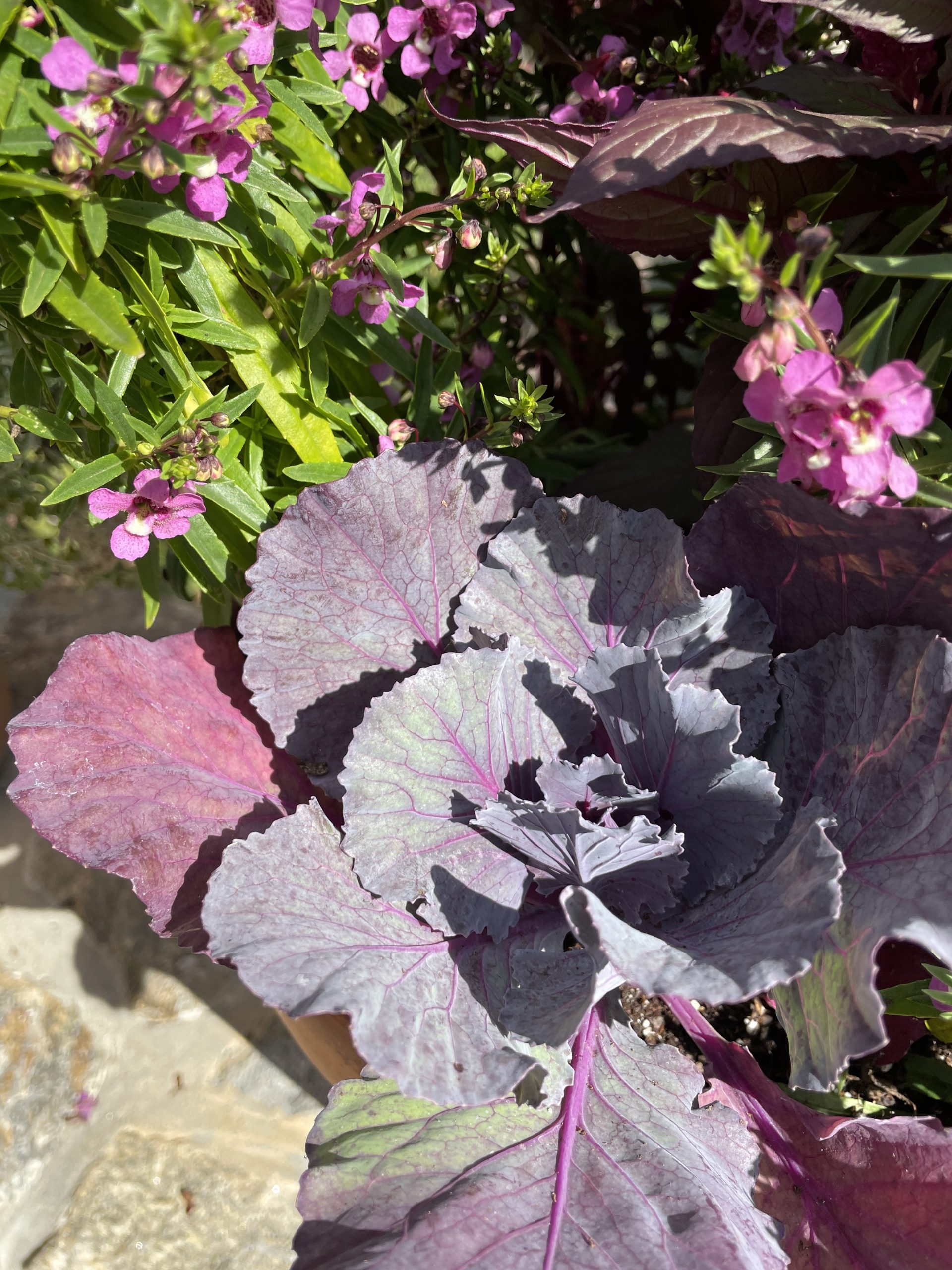
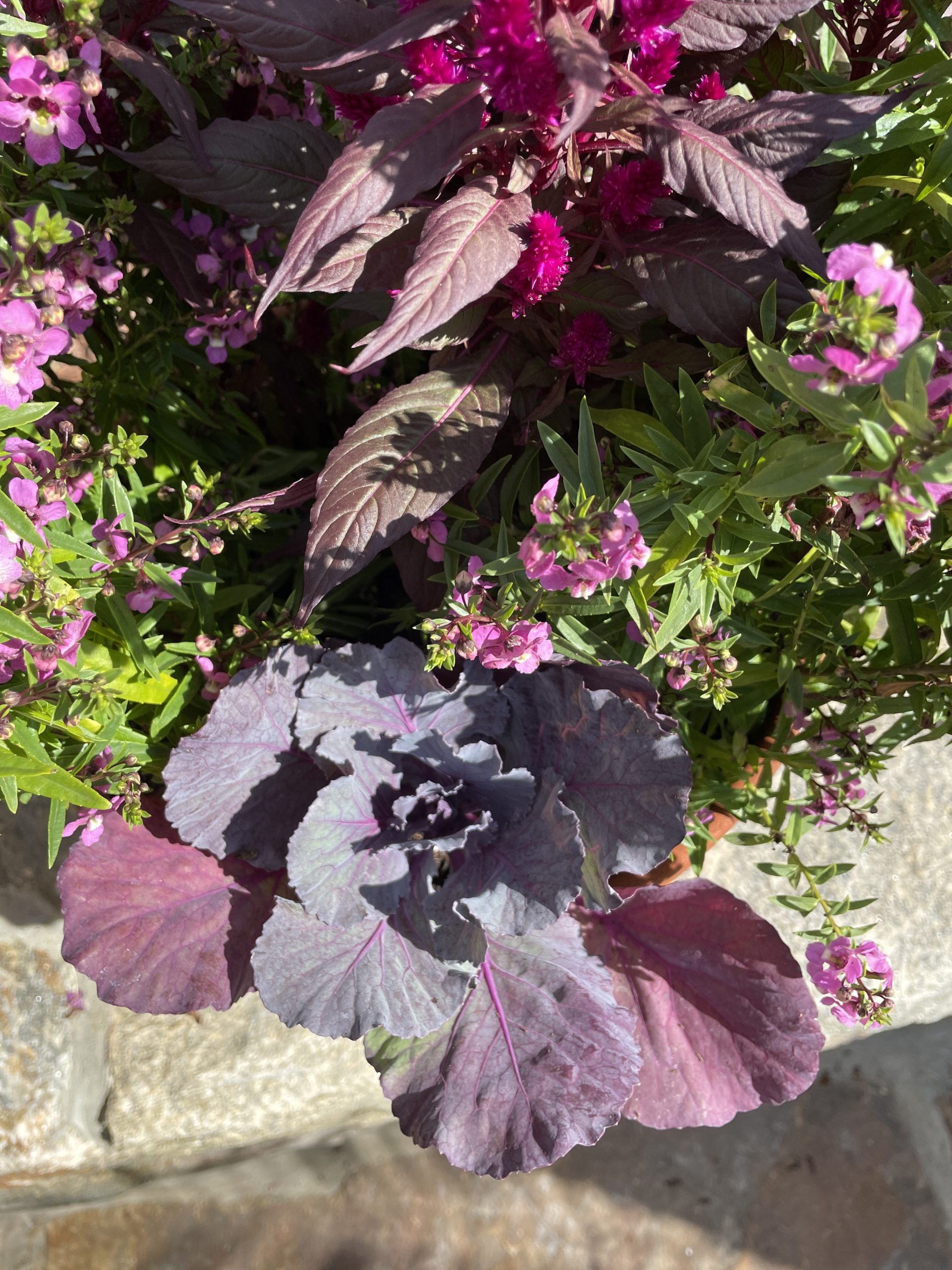
Pigeon Purple is a popular variety in the Pigeon series of ornamental cabbage/kale (Brassica oleracea), known for its flattened, compact rosette form with wavy blue-green outer leaves and a vibrant purple-red center that intensifies in cool weather. It’s often called ornamental cabbage or flowering kale and is prized for fall and winter displays in gardens, containers, or borders. While edible, it has a bitter taste and is mainly grown for ornament.
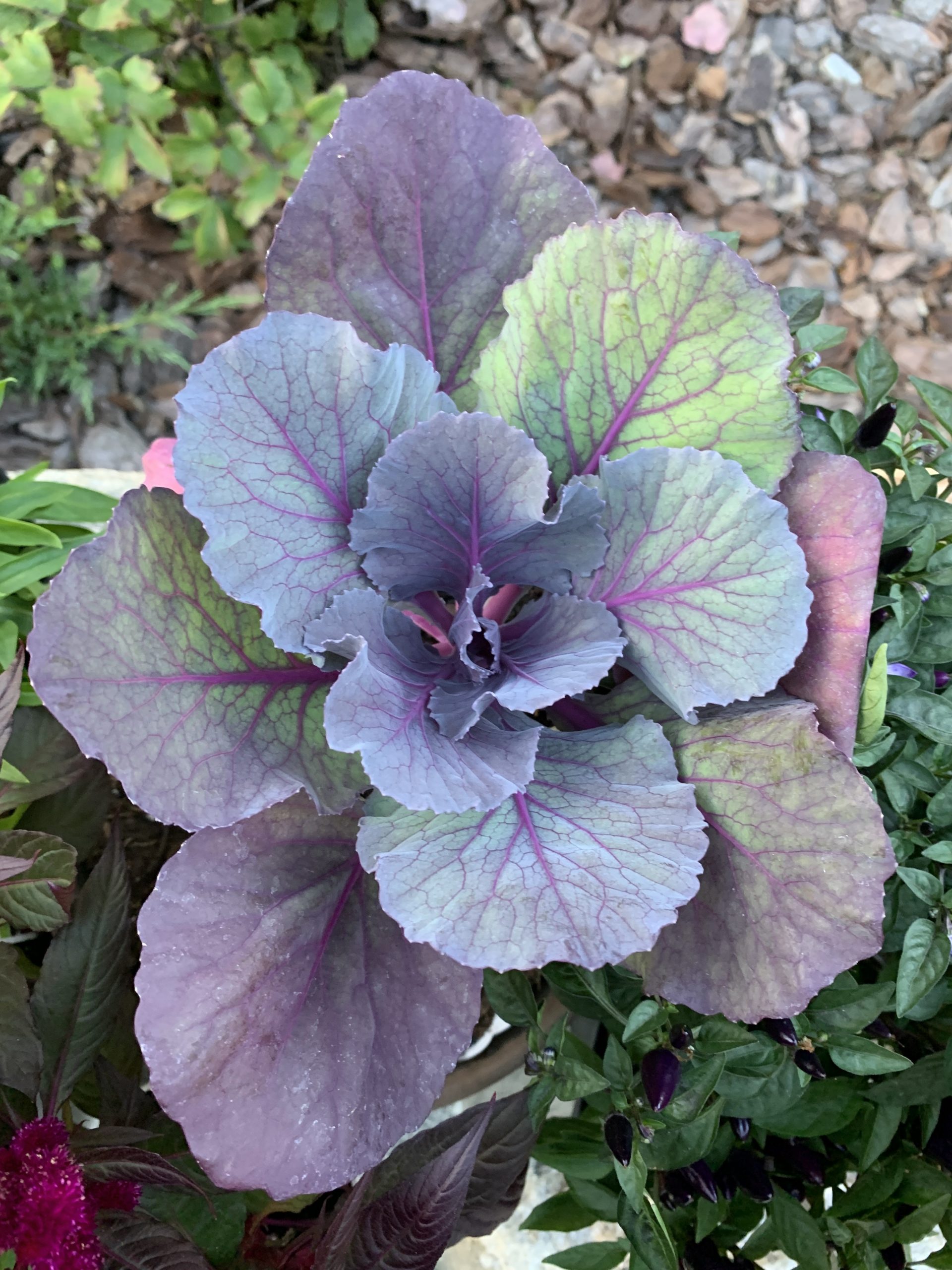
These plants are cool-season biennials typically treated as annuals. They thrive in cold weather—the colors become more vivid when nighttime temperatures drop below about 50–60°F (10–15°C), and they tolerate light frosts well.
When and Where to Plant
- Best season: Plant in fall for autumn/winter color (ideal in most regions). In cooler climates, early spring planting works too, but avoid summer heat as they bolt or decline.
- In warmer areas (like USDA zone 8+), buy transplants in fall rather than starting early.
- Location: Full sun (at least 6 hours daily) for best color and growth. In very warm climates, provide partial afternoon shade.
- Spacing: 12–18 inches apart for mass plantings or borders; closer for denser displays.
Soil and Preparation
- Use rich, well-drained, moderately moist soil.
- Slightly acidic to neutral pH (around 5.8–6.8) is ideal.
- Amend with 3–4 inches of organic matter (compost) and incorporate a balanced slow-release fertilizer (e.g., 12-6-6) at planting.
How to Start
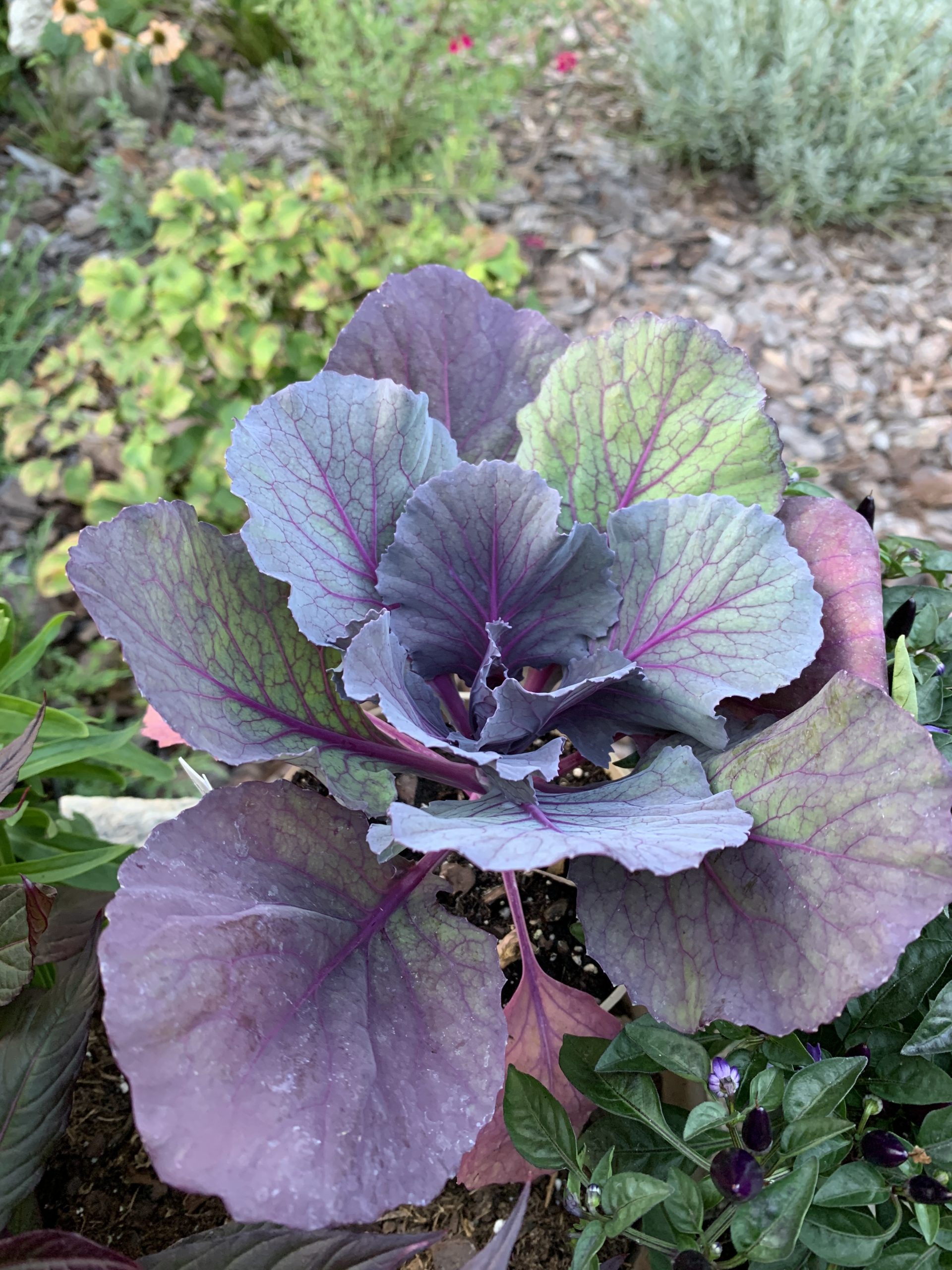
- Easiest method: Purchase nursery transplants in fall—these are compact and ready to plant for quick color.
- From seed: Start indoors midsummer (around July) for fall planting. Sow seeds on the surface (they need light to germinate), keep at 65–70°F (18–21°C) initially, then cooler. Transplant seedlings to the garden in mid-August or when cool weather arrives. Seeds take 4–6 days to sprout.
Planting Tips
- Dig a hole deep enough to bury the stem so the lowest leaves sit flush with the soil surface—this encourages strong rooting.
- Water thoroughly after planting.
- Apply mulch to retain moisture and stabilize soil temperatures.
Ongoing Care
- Watering: Keep consistently moist (about 1 inch per week), especially during establishment. They tolerate brief dry spells once rooted but perform best with steady moisture.
- Fertilizer: Use a balanced fertilizer at planting. Avoid heavy feeding afterward, as excess nitrogen can reduce color intensity. Some gardeners apply light water-soluble fertilizer monthly.
- Maintenance: Remove any damaged lower leaves for airflow. Protect from pests like cabbage worms or aphids (common to Brassicas) with row covers if needed.
- Cold tolerance: Excellent—they handle frost and cold snaps, making them great for late-season interest. Colors peak in cooler conditions.
Uses and Tips
- Great in containers, mixed beds, edgings, or mass plantings—pair with pansies or other cool-season annuals for contrast.
- Grows about 12 inches tall and wide.
- In the northeast USA, fall planting would be perfect for vibrant winter color through frosts.
With minimal care, Pigeon Purple provides months of striking purple-red foliage as temperatures drop! If starting from seed or sourcing plants, local garden centers often stock the Pigeon series in season.